
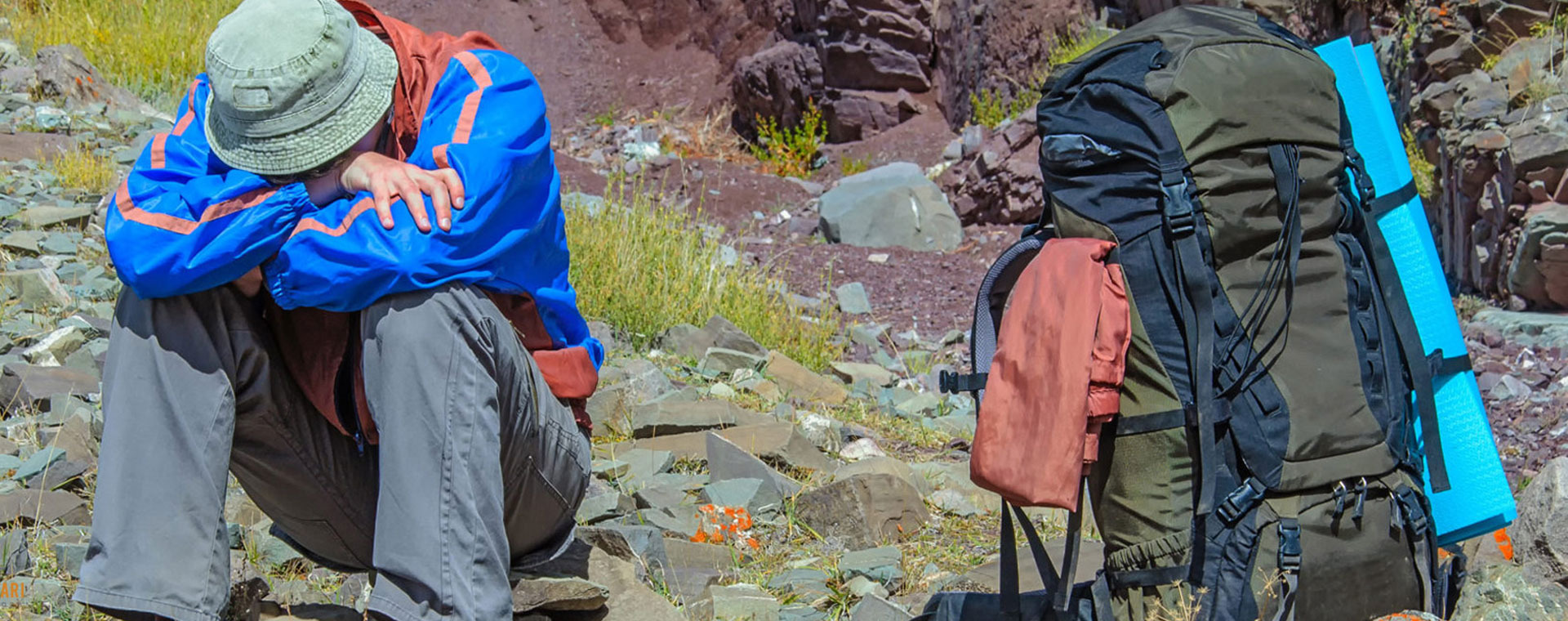
Your Safety on Mount Kilimanjaro
Kilimanjaro Altitude Sickness; Medications, Acclimatization
What is Altitude Sickness?
Altitude sickness, also known as Acute Mountain Sickness (AMS), occurs when your body struggles to adjust to lower oxygen levels at high elevations. For those attempting to summit Mount Kilimanjaro, which rises to 5,895 meters (19,341 feet), the risk of AMS is significant, especially if proper acclimatization procedures aren’t followed.
Common Symptoms of Altitude Sickness:
1. Mild Symptoms (Early Signs):
Headache
Dizziness
Nausea or vomiting
Fatigue or weakness
Shortness of breath with exertion
Loss of appetite
Sleep disturbances
2. Moderate Symptoms (Worsening AMS):
Persistent headache
Increased shortness of breath
Severe fatigue
Difficulty walking (ataxia)
3. Severe Symptoms (HAPE & HACE):
Confusion, irritability, or inability to think clearly
Coughing up pink, frothy liquid
Bluish lips or skin (cyanosis)
Seizures
Loss of consciousness
Without rapid intervention, severe forms of altitude sickness can progress to High-Altitude Pulmonary Edema (HAPE) or High-Altitude Cerebral Edema (HACE), both of which can be fatal. In these situations, immediate medical attention and evacuation are necessary.
Acclimatization on Mount Kilimanjaro
Acclimatization is your body’s way of adjusting to the lower oxygen levels at high altitudes. On Kilimanjaro, the air gets thinner as you climb, and without proper acclimatization, you risk altitude sickness, which can turn your dream climb into a nightmare.
Symptoms like headaches, nausea, and fatigue are warning signs that your body needs more time to adapt.But don’t worry with the right strategies, you can minimize these risks and maximize your chances of reaching the summit. Here’s how:
Choose the Right Route
Not all Kilimanjaro routes are created equal. Longer routes like Lemosho, Machame, or the Northern Circuit allow your body more time to adjust to the altitude, making them ideal for acclimatization. Avoid shorter, rushed itineraries. Your body will thank you!
Take It Slow
Remember, Kilimanjaro isn’t a race, it’s a journey. Hiking at a slow, steady pace gives your body time to acclimatize and reduces the risk of altitude sickness. Pole pole, as they say in Swahili!
Stay Hydrated
Drink at least 3-4 liters of water daily. Dehydration can worsen altitude-related symptoms, so always keep your water bottle close.
Fuel Your Body
Your body needs energy to adapt and perform. Eat well and focus on carbohydrate-rich meals to keep your stamina up during the trek.
Use Acclimatization Days Wisely
Many routes include acclimatization days with short hikes. These are not rest days, they’re key to helping your body adjust. Take them seriously and give yourself the best shot at reaching the summit.
Best Routes for Acclimatization
We recommend these routes for their excellent acclimatization profiles and breathtaking scenery:
Lemosho Route (7-8 Days): A scenic, gradual climb with plenty of time to adapt.
Machame Route (6-7 Days): Known as the “Whiskey Route,” it’s challenging but offers great acclimatization opportunities.
Northern Circuit Route (8-9 Days): The longest route with the best acclimatization profile and fewer crowds.
Rongai Route (6-7 Days): A quieter, gentler climb, especially with an extra acclimatization day.
Tools and Medications to Support Your Climb
Diamox (Acetazolamide): This medication helps prevent and treat altitude sickness. Consult your doctor before use.
Pulse Oximeter: A handy tool to monitor your oxygen levels and track your acclimatization progress.
Portable Oxygen Systems: For emergencies only, proper acclimatization is always the best strategy.
How to Know You're Acclimatizing Well
You’re sleeping better at night.
Your oxygen levels stay above 80% (measured with a pulse oximeter).
You feel less out of breath during moderate activity.
If you experience severe symptoms like confusion, difficulty walking, or persistent vomiting, descend immediately and inform your guide. Safety always comes first.
Kilimanjaro Altitude Sickness Medications
Altitude sickness in Kilimanjaro can strike anyone, regardless of their physical fitness level, and it's crucial to be prepared. In this article, we'll explore the top 5 Kilimanjaro altitude sickness medications that can help ensure your safety and improve your altitude acclimatization while ascending this majestic mountain.
1. Acetazolamide (Diamox)
2. Ibuprofen
3. Nifedipine
4. Dexamethasone
5. Gingko Biloba
#1. Acetazolamide (Diamox)
Acetazolamide is one of the most commonly used medications for preventing altitude sickness. It works by increasing the amount of oxygen in the blood and helping the body acclimatize more quickly. Diamox stimulates breathing and helps the body adjust to reduced oxygen levels, which can prevent symptoms such as headaches, nausea, and dizziness.
Availability in Tanzania: Acetazolamide is generally available in larger Tanzanian cities such as Arusha and Moshi. However, it’s advisable to bring your own supply if you are climbing in more remote areas.
#2. Ibuprofen
Ibuprofen is an over-the-counter anti-inflammatory medication that can help alleviate mild symptoms of altitude sickness, such as headaches and muscle aches. While it doesn’t treat the root cause of altitude sickness, it can provide relief from discomfort, which may allow climbers to continue their ascent more comfortably.
Availability in Tanzania: Ibuprofen is widely available in pharmacies throughout Tanzania, including in more remote regions, so it is easy to bring along or purchase during your trip.
#3. Nifedipine
Nifedipine is primarily used to treat high-altitude pulmonary edema (HAPE), a dangerous condition that occurs when fluid accumulates in the lungs due to the reduced oxygen levels at high altitudes. Nifedipine works by relaxing blood vessels, improving circulation, and reducing the pressure in the lungs, which helps to prevent or manage HAPE.
Availability in Tanzania: Nifedipine is available in Tanzania but may not be readily accessible in remote areas. It is recommended to bring your own supply, especially if you plan to climb to higher altitudes or are at risk for HAPE.
#4. Dexamethasone
Dexamethasone is a corticosteroid used to treat more severe cases of altitude sickness, such as high-altitude cerebral edema (HACE). It helps reduce inflammation in the brain, which can relieve symptoms of brain swelling such as confusion, loss of coordination, and difficulty walking. Dexamethasone is typically used in emergency situations when other treatments are not enough.
Availability in Tanzania: Dexamethasone is available in major hospitals and medical centers in Tanzania, but it may not be easily accessible in remote areas. It’s best to carry a supply with you or consult your tour operator.
#5. Gingko Biloba
Gingko Biloba is a herbal supplement that has been shown to improve blood circulation and oxygen delivery to tissues. Some climbers use gingko biloba as a preventative measure to reduce the risk of altitude sickness. While the scientific evidence for its effectiveness is mixed, some studies suggest it may help improve acclimatization.
Availability in Tanzania: Gingko Biloba may be harder to find in Tanzania, especially in remote areas. It is recommended to bring this supplement with you from home.
Tips for Using Altitude Sickness Medications Safely
1. Consult a Healthcare Professional: Before taking any medication for altitude sickness, consult a healthcare provider who specializes in high-altitude medicine. They can assess your individual needs and provide tailored recommendations.
2. Start Early: Begin taking altitude sickness medications as prescribed by your doctor at least 24 hours before you start your Kilimanjaro ascent. This allows the medication to take effect and increases your chances of a safe climb.
3. Stay Hydrated: Proper hydration is crucial when climbing at high altitudes. Drink plenty of water to help your body adjust to the reduced oxygen levels.
4. Monitor Your Symptoms: Continuously assess how you're feeling during the climb. If you experience severe symptoms despite medication, descend immediately – your safety is paramount.
Climbing Mount Kilimanjaro is a remarkable adventure, but it comes with the risk of altitude sickness. By being well-prepared and utilizing the right medications, you can significantly reduce the chances of experiencing altitude-related issues. Remember that Kilimanjaro altitude sickness can affect anyone, regardless of their physical condition, so prioritize safety and enjoy the breathtaking journey to Kilimanjaro's summit. Consult with a healthcare professional to determine the best altitude sickness medication for your specific needs, and embark on this incredible expedition with confidence.
Frequently Asked Questions
1. What is the best way to prevent altitude sickness on Mount Kilimanjaro?
The best prevention is ascending slowly, staying hydrated, and taking rest days to allow your body time to acclimatize. Additionally, medications like Acetazolamide can be used as a preventative measure.
2. How can I recognize the symptoms of altitude sickness?
Common symptoms include headaches, nausea, dizziness, fatigue, and shortness of breath. More severe symptoms include confusion, loss of coordination, and fluid buildup in the lungs.
3. Can altitude sickness be treated on Mount Kilimanjaro?
Yes, altitude sickness can be treated with medications like Acetazolamide, Ibuprofen, and Nifedipine. In severe cases, descending to a lower altitude and receiving additional medical care may be necessary.
4. Is it safe to take medications like Acetazolamide and Ibuprofen?
When taken as directed, Acetazolamide and Ibuprofen are generally safe and effective for treating altitude sickness. However, it’s important to consult with a healthcare provider before taking any medication.
5. How high should I climb each day to avoid altitude sickness?
To minimize the risk of altitude sickness, it’s recommended to ascend no more than 1,640 feet (500 meters) per day once above 8,000 feet (2,400 meters). Taking rest days helps your body adjust.
6. Can I still climb Mount Kilimanjaro if I’ve had altitude sickness before?
Yes, many climbers who have experienced altitude sickness in the past can successfully summit Mount Kilimanjaro with careful planning, gradual ascent, and proper acclimatization. It's essential to pay close attention to your body’s signals.
7. What should I do if I feel symptoms of altitude sickness while climbing?
If you start feeling symptoms, stop ascending and take a rest. If symptoms worsen, descend to a lower altitude immediately and seek medical attention.
For travel planning assistance, please contact us via WhatsApp: +255772770548 Or email us: tour@zimbaextreme.com
Email/WhatsApp
tour@zimbaextreme.com
+255772770548
Copyright © 2026 Zimba Extreme International. All rights reserved.