
Tanzania Travel Guide
Tanzania is the place to be for those who love travel and adventure. This beautiful East African country, which borders the Indian Ocean, has something for everyone. Large cities and untouched landscapes means you don’t need to leave this sunny oasis to fulfill your vacation desires.
To help you plan the perfect trip, we have advice on how to plan, where to go, and tricks to help you get the most out of your travels. Simply talk to us.
About Tanzania
Tanzania is the land of extremes. It is situated 600 feet (or 200 meters) above sea level and contains both the tallest mountain in Africa and the second deepest lake in the world. That’s right, Kilimanjaro, which is measured at 19,340 feet (or 5,895 meters), lives in this country.
The world’s second deepest lake is Lake Tanganyika, which measures 4,710 feet (or 1,436 meters). The gold medal goes to Lake Baikal in Russia which measures 5,387 feet (or 1,642 meters), creating a large gap between first and second place.
But just because these are the most famous parts of the country, doesn’t mean they are the only joys you can experience.
History of Tanzania
In 1964, the mainland called Tanganyika and the islands called Zanzibar unified. It was at this point that the United Republic of Tanzania was born.
The merger wasn’t possible until both countries became independent from the British. Tanganyika reached independence in 1961, while Zanzibar only managed the feat in January 1964. 3 months later, Tanzania became united.
The country of Tanzania is known as “the Cradle of Mankind” as it holds the oldest human fossils in the world. With 120 different indigenous groups in the country, and very little emigration or colonial settlement in their history, Tanzania has kept a lot of its original history intact.
Language
There are two official languages in Tanzania – English, and Swahili. Although English is spoken by many people in the country, it is only taught in higher education. Swahili is taught in the first 7 years of education and continues until the end of a pupil’s schooling.
Because the country is so vast and diverse in culture, there are many unofficial languages spoken by the locals too. For example, many of the 120 ethnic groups have their own language, and due to Asian influences Hindi, Urdu, Punjabi, and Gujarati have become popular.
Culture
The concept of kin and family is critical to Tanzania’s culture. No matter the struggle or inconvenience, family matters and occasions are given the highest priority. The transport system in Tanzania has much to be desired, but that won’t stop a family member from arriving for a celebration.
Art and history are also extremely important in Tanzania’s culture. Storytelling through dance and speech creates the majority of entertainment. And because scientists from around the world sturdy human ancestry in Tanzania soil, the concept of history and nature are woven into one.
Planning Your Trip
The most important elements of planning a visit to Tanzania are the weather and the experience.
Why Should You Visit Tanzania?
Tanzania is a country surrounded by wildlife, beaches, archaeological discoveries, and a culture largely untainted by globalization.
We will go into detail about the things you can do while visiting this unique country, but the main reason to spend time in Tanzania is to explore the untouched world.
Many places like Katavi, contain wilderness that hasn’t been destroyed by progress or time. It is the ultimate escape from a fast-paced life.
When Should You Visit?
Tanzania has two seasons – wet and dry. The rainy season starts near the end of October and continues until January. It picks up again from March to June. Between these bouts of rain, is the dry season.
Visiting in the dry season (February, then July till September), means climbing mountains in a safe condition, and exploring areas in the beautiful sun of 77 degrees Fahrenheit (25 degrees Celsius). The roads will be easier to drive on and the wildlife will be around waterholes making them easier to spot.
However, if you want to see large movements of animals, you can also do this during the rainy season. The rain makes the wildlife happy, while the grassland will be colorful and luscious. You will develop the best photos and see a large variety of creatures. The experience will also be at its cheapest with fewer crowds to contend with.
There are areas that can’t be reached in the rainy season, but the whole northern circuit will normally be accessible throughout the year.
Do You Need A Visa?
Yes. To travel to Tanzania, you will need a passport, a return ticket, and a single-entry tourist visa. This is true for most countries, although you can check your country’s status on this link.
The passport should be valid for at least 6 months before your arrival date, but the visa can be obtained at the airport.
Although you can wait until the last minute to receive your visa, this can cause delays and rejection. We advise applying for the visa in advance to avoid any raised prices and long waiting times with the immigration officers.
Duration Of Your Trip
Ideally, your Tanzania safari should be at least 10 days long. 10 days is enough to travel across the Northern Circuit (Serengeti, Tarangire, and Ngorongoro) which is the most popular safari in Africa.
With a longer stay, you can also include visits to the lakes and cultural hubs in the area.
Get Your Vaccinations
Before traveling to Tanzania, it’s recommended to ask for advice about the following vaccinations:
Yellow Fever
Diphtheria
Tetanus
Hepatitis A
Hepatitis B
Meningitis
Polio
Tuberculosis
If you are staying for longer than two weeks, some doctors recommend getting vaccinated for Typhoid. And if you are interacting with animals directly, (such as petting or working on a farm) some doctors recommend to include rabies vaccinations.
Speak to your doctor about what vaccinations you have already received, as many people have protection against illnesses such as meningitis during their childhood.
Currencies
The national currency of Tanzania is the Tanzanian Shilling. It is often written as with TSh or /=. Coins come in 50s, 100s, and 200s, and notes come in 500s, 1000s, 5,000s & 10,000s
Most towns will exchange US Dollars, UK pound Sterling and European Euros without issue. However, you may notice that US Dollars and Euros are accepted in large areas of the country.
As of September 2025, USD$100 is worth TSh253,200.00; £100 is worth TSh297,949.91 and €100 is worth TSh254,704.14
Where To Go And Things To Do
There is tons to do in Tanzania, but they all come down to three things – exploring the wilderness, finding wild animals, and discovering the culture of the area.
See The Big 5
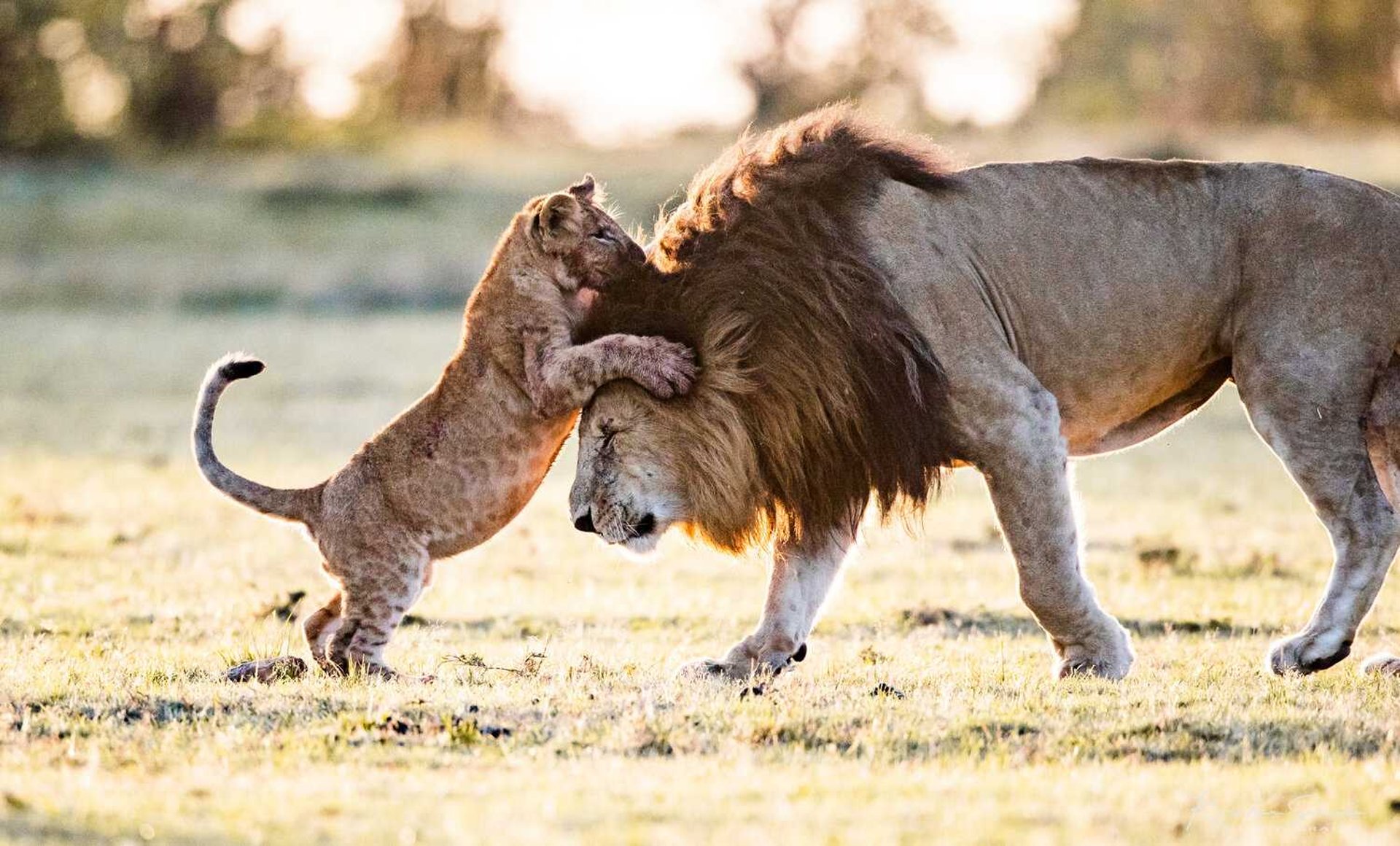
The Big 5 is a tick box exercise that lets you see the most iconic animals in Africa. Going on Big 5 safaris means searching for the African Lion, the African Elephant, the African Leopard, the Rhinoceros, and the Cape Buffalo.
Although these creatures are large, they can be extremely difficult to spot in the wild. The goal becomes even more difficult due to illegal poachers reducing the numbers of the population. However, hiring a Big 5 tour guide can show you the best places to find these extraordinary animals.
Experience The Great Migration
The great migration is the iconic trek made by thousands of wildebeest to cross the lands of Africa. It has been watched millions of times through hundreds of documentaries, but there is nothing like seeing a surreal experience in real life.
The wildebeest migration is the largest mammal migration in the world, and you can see them for yourself in the Serengeti National Park.
Climb Mount Kilimanjaro
Mount Kilimanjaro National Park is unlike the other national parks in Tanzania. You won’t find a lot of wildlife on this tour, instead, the attraction is climbing Kilimanjaro, the tallest mountain in Africa.
Go To Stone Town
Stone Town is considered the architectural capital of Tanzania. Found on the island of Zanzibar, the majority of homes in the area were built in the 19th century. The wooden doors on the houses are often beautifully carved and delicately maintained.
Stone Town is the oldest functioning town in the world, which makes it a wonderful place for history lovers. The cultures of the area haven’t changed, allowing us to see culture and history in action.
Scuba Dive In Zanzibar
One of the best places to dive in Tanzania is the Zanzibar island called Pemba. Its white sand beach is often untouched, and the clear waters make it perfect for scuba diving.
The area is laid back and the island is so hilly that spending a weekend swimming and then mountain biking has become a popular activity.
Mafia Island Marine Park
The Mafia Island has the same beautiful beaches as Pemba, and the same almost see-through water. However, on Mafia Island, you can experience the Marine Park. This is a coral garden found just off the water’s edge. You can witness over 400 species of bright and colorful fish, dancing around the coral reef.
This island is also the traditional breeding ground for the endangered green turtle. Making it one of the only safe havens for the rare species.
Tanzania Travel Guide and Tips for Travelers to Tanzania
Email/WhatsApp
tour@zimbaextreme.com
+255772770548
Copyright © 2026 Zimba Extreme International. All rights reserved.